
November 26, 2025
Hockey Stick Curve Guide 2026: Best P28 vs P92 Comparison for Better Shooting
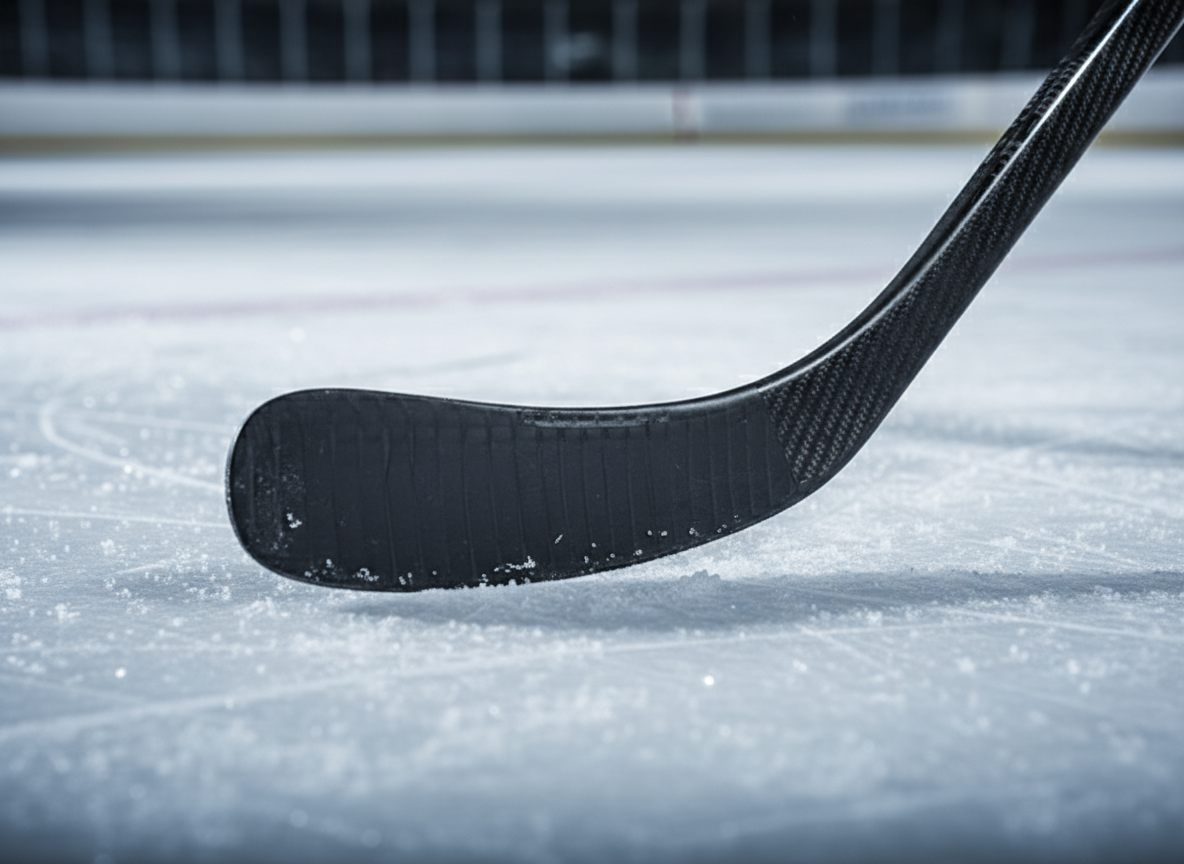
Choosing the right hockey stick curve can completely change how you shoot, pass, and control the puck. This hockey stick curve guide is built for Canadian players who want to understand how blade curves actually affect performance — without marketing hype or confusion.
Whether you’re a beginner learning the basics or an experienced player upgrading your setup, this hockey stick curve guide for 2026 will help you choose the best curve for your shooting style, position, and level of play.
In this hockey stick curve guide, we break down the most popular curves in Canada — including P28, P92, and P88 — explain who each one is best for, compare shooting performance, and reference real NHL usage so you can choose with confidence.
Before diving in, these two resources may help if you’re shopping smart or trying to save money:
-
How to Save on Hockey Gear in Canada This Season
https://hockeydeals.ca/how-to-save-on-hockey-gear-in-canada/ -
Best Hockey Deals Online in Canada
https://hockeydeals.ca/best-hockey-deals-online-canada/
What Is a Hockey Stick Curve? (Hockey Stick Curve Guide Basics)
A hockey stick curve refers to the shape of the blade and how it bends from heel to toe. According to this hockey stick curve guide, the curve directly affects:
-
Shot release speed
-
Shot height and accuracy
-
Puck control while skating
-
Passing and receiving
-
Backhand performance
A hockey stick curve is defined by three elements:
-
Where the curve begins (heel, mid, or toe)
-
How deep the curve is
-
The shape of the toe
Small changes in these elements can completely alter how a stick feels on the ice. That’s why choosing the correct curve is just as important as flex or stick length.
Hockey Stick Curve Guide 2026: Most Popular Curves in Canada
This hockey stick curve guide focuses on the three curves most commonly used by Canadian players in 2026:
-
P92 (Crosby / Matthews style)
-
P28 (McDavid / Eichel style)
-
P88 (Kane style)
Each curve suits a different playing style.
P92 Hockey Stick Curve – The Best All-Around Option
The P92 curve is the most widely used curve in hockey. In this hockey stick curve guide, the P92 is considered the most versatile blade shape available.
Who Uses the P92 Curve?
-
Auston Matthews
-
Nathan MacKinnon
-
Mikko Rantanen
-
Claude Giroux
These players rely on strong puck control, consistent passing, and accurate wrist shots — all strengths of the P92.
Strengths of the P92 Curve
-
Excellent puck control
-
Accurate wrist shots
-
Reliable passing
-
Smooth stickhandling
-
Beginner-friendly
Weaknesses of the P92 Curve
-
Less aggressive toe for toe drags
-
Slower snap-shot release than P28
In this hockey stick curve guide, the P92 is recommended for beginners, playmakers, defensemen, and all-around players.
P28 Hockey Stick Curve – Best for Quick Release and Scoring
The P28 curve is built for modern goal scorers. This hockey stick curve guide highlights the P28 as the best option for players who rely on fast release shots and toe-driven shooting.
Who Uses the P28 Curve?
-
Connor McDavid
-
Jack Eichel
-
Elias Pettersson
-
Jonathan Drouin
Strengths of the P28 Curve
-
Extremely quick release
-
Easy puck lift in tight
-
Excellent for toe drags
-
Ideal for snap shots
Weaknesses of the P28 Curve
-
Harder backhand control
-
Less forgiving for passing
-
Not ideal for beginners
This hockey stick curve guide recommends the P28 primarily for skilled forwards and confident shooters.
P92 vs P28: Hockey Stick Curve Guide Comparison
This section of the hockey stick curve guide answers the most common question players ask.
Choose the P92 if you:
-
Want maximum control
-
Pass frequently
-
Shoot from multiple angles
-
Are a beginner or intermediate player
Choose the P28 if you:
-
Rely on quick release shots
-
Use toe drags
-
Attack the net in tight spaces
-
Want help lifting the puck fast
General rule from this hockey stick curve guide:
-
Playmakers & defensemen → P92
-
Scoring forwards → P28
Other Hockey Stick Curves Worth Knowing
P88 Curve
A traditional mid-curve with excellent backhand feel and puck control. Often chosen by players who value passing and stickhandling.
P02 Heel Curve
A heel-based curve used mainly by defensemen. Excellent for slap shots and point shots from the blue line.
How Hockey Stick Curves Affect Different Shots
According to this hockey stick curve guide:
-
Wrist shots → P92 & P28
-
Snap shots → P28
-
Backhand shots → P92
-
One-timers → P92
-
Toe shots → P28
Matching your curve to your shooting style can immediately improve scoring consistency.
Where to Compare Hockey Stick Curves in Canada
If you want official curve references, these manufacturer resources are useful:
-
Bauer Hockey – Stick Curve Guide
https://www.bauer.com -
CCM Hockey – Stick Curve Chart
https://www.ccmhockey.com -
Warrior Hockey – Blade Curve Guide
https://www.warrior.com
To compare live prices and deals from Canadian retailers, visit:
👉 https://hockeydeals.ca/deal-listings/
Final Thoughts: Hockey Stick Curve Guide for 2026
This hockey stick curve guide exists to remove guesswork from choosing your blade. The right curve can instantly improve shooting confidence, puck control, and overall performance.
-
P92 remains the safest and most versatile option
-
P28 is unmatched for quick-release scoring
-
P88 and P02 still serve specific playstyles extremely well
By following this hockey stick curve guide, players can choose a curve that actually fits their game — not just what’s popular.
To save money on your next stick, don’t forget to check:
Looking for current hockey deals?
Browse active deals across Canadian retailers.
Related Articles
View all posts
Hockey Stick Deals in Canada (2026 Guide) — Player & Goalie Stick Specials
Finding real hockey stick deals Canada is getting harder as prices continue to rise. A few years ago, elite senior sticks retailed for around $279 CAD . In 2026 , top-end hockey s...
Bauer vs CCM Hockey Gear (2026) – Which Brand Is Better for Skates, Sticks & Goalies?
Choosing between Bauer vs CCM hockey gear is one of the most common decisions Canadian players and parents face. Both brands dominate the hockey equipment market, both sponsor eli...
Best Hockey Brands Canada (2026): Top Hockey Equipment Brands Ranked for Players & Parents
Choosing the best hockey brands Canada has become more important than ever for players and families trying to balance performance, comfort, safety, and cost. With hockey equipment...