
March 4, 2026
How to Sharpen Hockey Skates (2026 Guide: Hollow Chart & Expert Tips)
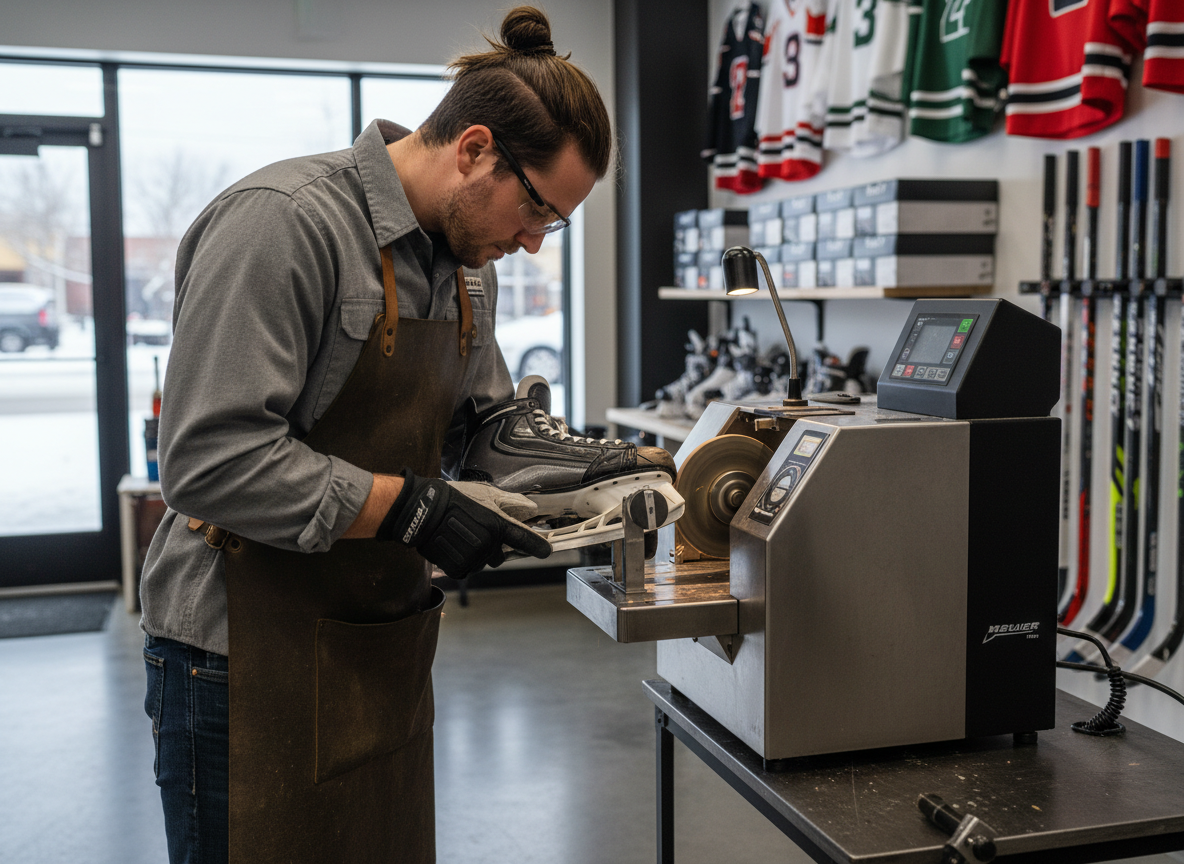
Knowing how to sharpen hockey skates properly is just as important as choosing the right size or brand. Even the most expensive skates will feel unstable if the edges are uneven or dull.
Sharpening affects acceleration, turning, stopping power, and overall confidence on the ice. Whether you are a beginner parent or a competitive player, understanding how to sharpen hockey skates correctly can significantly improve performance.
This complete 2026 guide explains how skate sharpening works, how often to sharpen, what hollow to choose, and how to avoid common mistakes.
Why Learning How to Sharpen Hockey Skates Matters
When players struggle with grip or feel like they’re sliding unexpectedly, the issue is often not the skate — it’s the sharpening.
Proper sharpening:
-
Improves edge control
-
Enhances stopping power
-
Increases acceleration
-
Builds skating confidence
Poor sharpening causes:
-
Slipping during turns
-
Uneven edges
-
Excessive steel wear
-
Loss of balance
Edges are the only contact point between you and the ice. Understanding how to sharpen hockey skates ensures that contact is consistent and reliable.
How Hockey Skate Sharpening Works
To understand how to sharpen hockey skates, you need to understand what sharpening actually does.
Sharpening grinds a curved groove into the bottom of the blade. This groove is called the hollow, and it creates two sharp outer edges.
The hollow determines how much bite or glide you get.
A deeper hollow:
-
Creates stronger grip
-
Digs deeper into the ice
-
Improves tight turns
A shallower hollow:
-
Provides more glide
-
Reduces drag
-
Increases top-end speed
For a technical breakdown of how hollows are formed and how different sharpening profiles affect performance, Sparx Hockey provides an excellent explanation here:
👉 https://ca.sparxhockey.com/pages/sharpening-101
This resource helps players understand how radius-of-hollow impacts skating feel — an essential concept when learning how to sharpen hockey skates properly.
What Is a Hollow in Skate Sharpening?
The hollow is measured in inches and refers to the radius of the grinding wheel used.
Common hollow sizes include:
-
3/8" – Very deep hollow (maximum bite)
-
7/16" – Strong grip
-
1/2" – Most common, balanced performance
-
5/8" – More glide
-
3/4" – Maximum glide, minimal bite
Most players use 1/2" as a starting point.
Choosing the right hollow is just as important as knowing how to sharpen hockey skates because the wrong hollow can make skates feel unstable even when freshly sharpened.
How Often Should You Sharpen Hockey Skates?
One of the most common questions about how to sharpen hockey skates is frequency.
General guidelines:
-
Youth players: every 10–15 hours of ice
-
Competitive players: every 5–10 hours
-
Recreational adults: every 15–20 hours
However, sharpening frequency depends on:
-
Ice quality
-
Player weight
-
Skating style
-
Steel quality
Signs you need sharpening:
-
Difficulty stopping
-
Sliding during turns
-
Feeling unstable
-
Loss of acceleration
Regular maintenance keeps edges predictable.
How to Sharpen Hockey Skates at a Pro Shop
Most players rely on professional sharpening services.
Typical sharpening process:
-
Inspect blade for damage
-
Check alignment
-
Select hollow
-
Grind steel evenly
-
Deburr edges
Consistency matters more than constantly switching hollows.
If you find a hollow that works, stick with it.
Can You Sharpen Hockey Skates at Home?
Home sharpening systems are available, but caution is required.
Incorrect home sharpening can cause:
-
Uneven edges
-
Excess steel removal
-
Blade imbalance
Unless properly trained, professional sharpening is safer and more consistent.
Choosing the Right Hollow for Your Playing Style
When learning how to sharpen hockey skates for performance, consider:
For Quick, Agile Players
-
3/8" to 7/16"
-
Maximum bite
-
Ideal for sharp turns
For Balanced Performance
-
1/2"
-
Most versatile option
For Speed and Glide
-
5/8" or 3/4"
-
Less resistance
-
Ideal for powerful skaters
Heavier players often prefer shallower hollows to prevent excessive bite.
Experiment gradually — do not make drastic changes.
Common Skate Sharpening Mistakes
Even experienced players make mistakes when learning how to sharpen hockey skates.
1. Changing Hollow Too Often
Frequent changes make it difficult to adapt.
2. Sharpening Too Frequently
Every sharpening removes steel. Over-sharpening reduces blade lifespan.
3. Ignoring Steel Condition
Chipped or bent steel affects edge quality.
4. Forgetting Fit
Even perfect sharpening cannot fix poor skate sizing.
For proper fit guidance, see our Hockey Skate Sizing Guide:
👉 https://hockeydeals.ca/hockey-skate-sizing-guide/
Sharpening and fit work together.
When to Replace Skate Steel Instead of Sharpening
Sharpening removes material from the blade.
Replace steel if:
-
Blade height is significantly reduced
-
Edges chip easily
-
Steel becomes warped
-
You cannot maintain consistent hollow
Replacing steel restores performance.
How Sharpening Impacts Confidence and Performance
Properly sharpened skates provide:
-
Confidence entering turns
-
Stronger defensive pivots
-
Better stopping control
-
Improved acceleration
Many players notice immediate performance improvements after consistent sharpening.
Learning how to sharpen hockey skates properly is one of the simplest performance upgrades available.
Final Thoughts on How to Sharpen Hockey Skates
Understanding how to sharpen hockey skates gives players control over their performance.
Remember:
-
Choose the correct hollow
-
Sharpen consistently
-
Avoid over-sharpening
-
Inspect steel regularly
-
Combine sharpening with proper fit
Once you understand the fundamentals of skate sharpening, you can make smarter equipment decisions and maintain peak performance all season.
If you’re considering upgrading equipment, you can compare current skate deals here:
👉 https://hockeydeals.ca/deal-listings/
Looking for current hockey deals?
Browse active deals across Canadian retailers.
Related Articles
View all posts
How Long Do Hockey Skates Last? (2026 Guide to Skate Lifespan & When to Replace Them)
How long do hockey skates last? It’s a question almost every hockey parent and player asks sooner or later. Hockey skates are one of the most important pieces of equipment a playe...
Hockey Skate Sizing Guide (2026): How to Measure, Fit & Avoid Costly Mistakes
Buying the right skate size is one of the most important equipment decisions a player will make. This complete hockey skate sizing guide explains how to measure your feet properly...
Hockey Skates on Sale in Canada (2026 Complete Guide to the Best Deals)
If you're searching for hockey skates on sale , timing is everything. Skates are the most expensive piece of equipment most players own, and buying at the wrong time can mean payi...